
- HOME
- TRENDING
- PEOPLE
- COMMUNITY
- LIFESTYLE
- OUR PUBLICATIONSOUR PUBLICATIONS
- MASALA RECOMMENDS
- MASALAWEDS

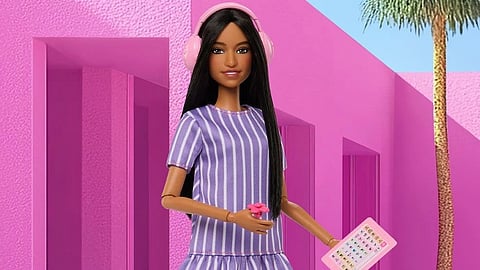
Mattel introduced its first Autistic Barbie doll in India in January 2026, which quickly made headlines. The doll became part of the Barbie Fashionistas collection, known for featuring Barbies with diverse body types, skin tones, and disabilities.
What makes this Barbie unique is how it was designed. Mattel didn't create this doll out of thin air, but worked closely with the Autistic Self Advocacy Network (ASAN) to ensure that the dolls closely and respectfully reflect what autistic children actually feel and how they experience the world.
The doll is designed with its eye gaze slightly to the side, mirroring how some people with autism tend to avoid direct eye contact. You will notice that the doll has accessories such as noise-cancelling headphones, a spinning pink fidget spinner and an AAC tablet, something many in the community use to help with daily communication.
The choice of clothes for this doll is also well thought out and designed according to what autistic people would wear. This Barbie is dressed in sensory-friendly outfits made with soft fabrics and simple fastenings. Since autistic children often prefer comfortable clothes over heavy or rough textures, this outfit feels very practical. The shoes are also flat and grounded.
In the past, dolls have been blamed for defining stereotypical beauty standards that leave many kids feeling like they are not good enough. This autistic Barbie doll is designed to show kids that there isn’t just one fixed way to grow up or fit in. The message centres on being authentic rather than striving for perfection.
This becomes not just inspiring but also impactful, as it opens doors for children to embrace their uniqueness. When a child can pick up a doll and say, this looks like me, it builds confidence in them. While this doesn't fix autism, kids start to feel like they belong and that's progress.
For other children, it teaches them from an early age to have more understanding and learn to be more empathetic as they grow up meeting people of all kinds.
While representation like this doesn’t solve everything, it does bring more awareness. This autistic Barbie doll will be a fresh push to make more people in India normalise these conditions. Conversations regarding autism will start becoming more natural in Indian households, where many families still hide it due to fear of social judgment.
Mattel will donate more than 1,000 of these dolls to paediatric hospitals across India making the impact feel real and not just symbolic.