
- HOME
- TRENDING
- PEOPLE
- COMMUNITY
- LIFESTYLE
- OUR PUBLICATIONSOUR PUBLICATIONS
- MASALA RECOMMENDS
- MASALAWEDS
There is more to make from real estate than the underlying business. In Thailand’s leasing and subleasing market, you can take a 15-year or 30-year lease on a plot and then sublease it for a profitable arbitrage.
Let’s go straight into a real-life example. Some five members of our very enterprising community have come together and invested in Sterling Sports and Wellness on Sukhumvit Soi 24.
In a plot of over 10,000 sqm, these entrepreneurs have brought together over 10 leading brands under one roof, including five padel courts, six pickleball courts, a tennis academy, an NYC barre and fitness studio, a Muay Thai academy, and a squash academy.
On the wellness side, they offer a hair specialist studio, multi-faceted recovery clinic, private sauna, cold plunge, and nourishing superfoods.
An amazing business model where you put together 10 amazing brands on a lease, and then on a sub-lease basis. The spreads are excellent, with such opportunities usually yielding over seven to 10 per cent returns for the principal investor.
Usually, principal investors sublease the most valuable spaces that offer the best frontage for visibility and presence to themselves.
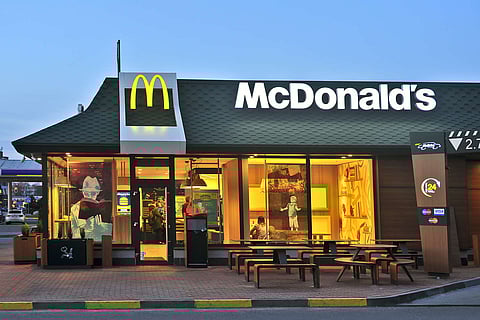
Another very commendable case study is when you realise McDonald’s makes more profit from its real estate holdings than from selling food.
While they sell burgers, the company operates as a major landlord, owning roughly 80 per cent of its restaurant locations and leasing them to franchisees. Rent and royalty income from these franchisees generates roughly 60 per cent of McDonald’s operating income, yielding much higher margins than their food sales.
Landlord First: McDonald’s often acquires the land and building for a restaurant, then leases it back to the franchisee, ensuring a consistent, high-margin revenue stream through rent.
High-Profit Margins: Rent and franchise fees have significantly higher profit margins (over 80 per cent) compared to the lower margins from selling food in company-owned restaurants.
Stabilising Income: Rent payments are structured as long-term fixed income, providing stability even if food sales are lower.
Property Value Appreciation: McDonald’s benefits from the rising value of its prime commercial property portfolio worldwide.
In summary, when someone asks what puts food on your table, be careful how you answer, because, in many cases, on a 30-year cycle or 50-year cycle, you may actually have done better with your real estate portfolio than your core business, whether that is F&B, textiles, tailoring, or hospitality.
You might be better off with a simple real estate portfolio yielding six percent per annum.
